
Managing you waste is an essential responsibility for every business – large or small. From keeping your workplace safe to meeting UK environmental rules, the way you deal with your waste can make a huge difference to your day‑to‑day operations. By understanding the different types of commercial waste your business produces, you can put the right systems in place, stay compliant and helps reduce long-term operational costs.
At CountyClean, we work with businesses across the UK to ensure they understand their legal obligations and have reliable solutions in place for every type of waste they produce.
This guide breaks down the key types of commercial waste your business must manage, along with practical steps to remain compliant and environmentally responsible.
1. General Waste
General waste includes everyday non-recyclable materials produced by offices, shops, hospitality venues, and industrial sites.
Typical items include:
- Food-contaminated packaging
- Mixed municipal waste
- Non-recyclable plastics
- Disposable items like tissues or wipes
How to manage it: Businesses should reduce their general waste where possible and ensure it is collected by a licensed waster carrier. Separate and recycle the waste where possible.
2. Dry Mixed Recycling (DMR)
Dry mixed recycling covers clean recyclable materials including:
- Paper & Cardboard
- Plastics
- Aluminium and steel cans
- Glass (can vary so check with your waste carrier)
Why it matters: Recycling helps reduce landfill, lowers your carbon emissions and is often cheaper than disposing the waste as general waste. Creating recycling stations in your workplace can significantly improve compliance and reduce contamination.
3. Food Waste
Any organisations with a commercial kitchen can generate a substantial amounts of food waste. These sort of organisations include, restaurants, cafes, hotels, care homes and food manufacturers just to name a few examples.
Food waste examples include:
- Preparation scraps
- Expired food
- Leftover plate waste
Best practise: Separated food waste is often sent to anaerobic digestion, where it becomes renewable energy and fertiliser. Many local regulations encourage or legally require food waste segregation to reduce landfill volumes.

4. Hazardous Waste
Hazardous waste is classified as any waste that poses a threat to human health or the environment. This includes:
- Chemicals and solvents
- Waste oils and lubricants
- Paints, resins and adhesives
- Aerosols
- Batteries
- Fluorescent tubes
- Contaminated PPE or absorbents
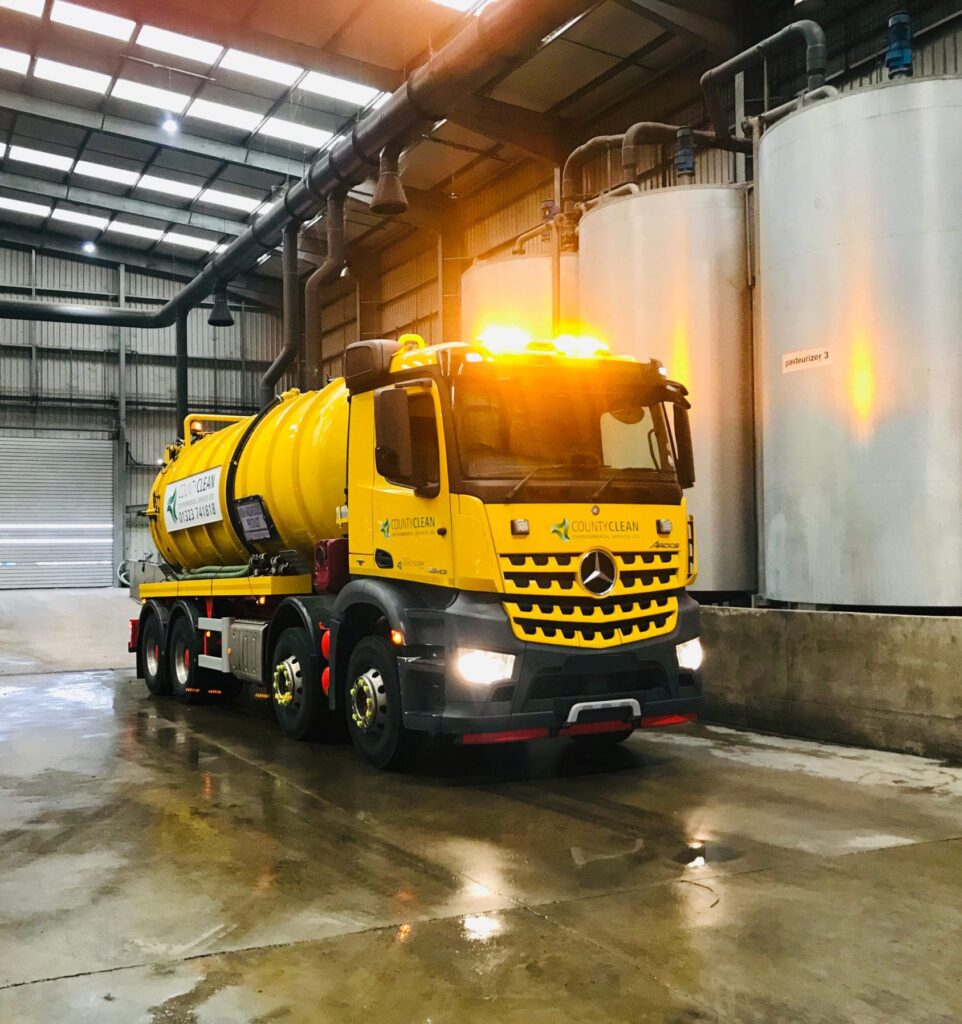
Compliance is critical: Hazardous waste must be stored correctly, consigned with proper documentation and can only be handled by licensed waste carriers due to the strict regulations in place for hazardous waste.
We can provide analysis for disposal purposes, packing, labelling, transport and disposal of hazardous waste. We will help you manage the highly regulated process for safely dealing with your hazardous waste collection. Additionally, we record the whole process and ensure your waste is transported and treated without harm to the environment and in line with UK regulations to protect your duty of care. For more details on hazardous waste disposal, take a look at our full guide here.
5. Clinical and Healthcare Waste
Clinical waste refers to any waste that comes from medical, nursing, veterinary, tattoo studios or other similar establishments that may pose a risk of infection or potential harm. Examples of clinical waste includes:
- Sharps (needles, blades)
- Gloves
- Dressing and swabs
- Medicines
- Items contaminated with bodily fluids
Strict Regulations: Safe clinical waste management plays a key role in preventing the spread of disease and safeguarding public health. Strict regulations are enforced to ensure this type of waste is disposed of properly.
6. Construction, Demolition & Industrial Waste
Construction, engineering and manufacturing sites generate large volumes of heavy, bulky waste, including rubble, concrete, bricks, wood, plasterboard, scrap metal, packaging, pallets, sludges and other industrial by-products.
Under the UK duty of care regulations, businesses must ensure all construction waste is classified correctly, stored safely and recycled where possible. Many materials such as metals, concrete and wood can be reused or processed again, which can help your business reduce the disposal costs and your impact on the environment.
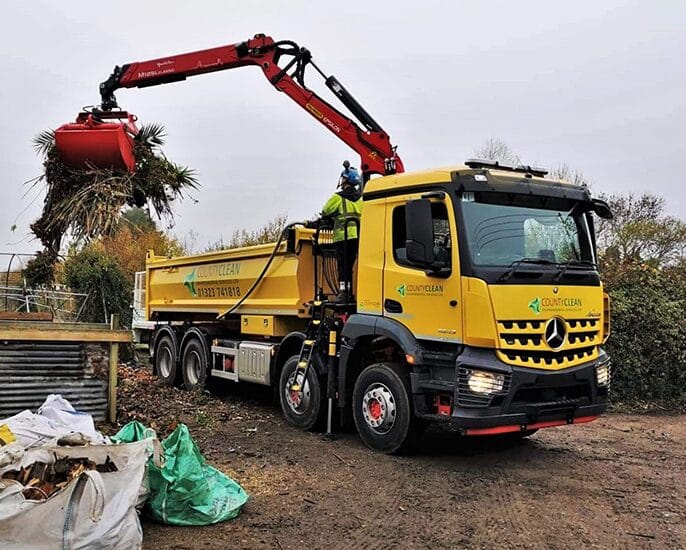
Because this type of waste can build up quickly and take up valuable space on your site, fast and efficient removal is crucial. Our grab lorry hire service offers a practical solution for clearing large quantities of waste with minimal disruption to your project. Learn more about our grab lorry services here.
7. Liquid Waste
Liquid waste needs specialist handling to prevent pollution and ensure your business stays compliant with strict UK environmental regulations. Common types of liquid waste include:
- Sewage
- Wastewater
- Trade effluent
- Grease trap waste
- Interceptor waste
- Contaminated water
- Slurries and sludges
Because these materials can cause significant environmental harm if managed incorrectly, businesses must ensure they are collected, transported and treated by licensed professionals. To ensure full compliance, always check that your provider is a registered waste carrier using the GOV.UK public register here.
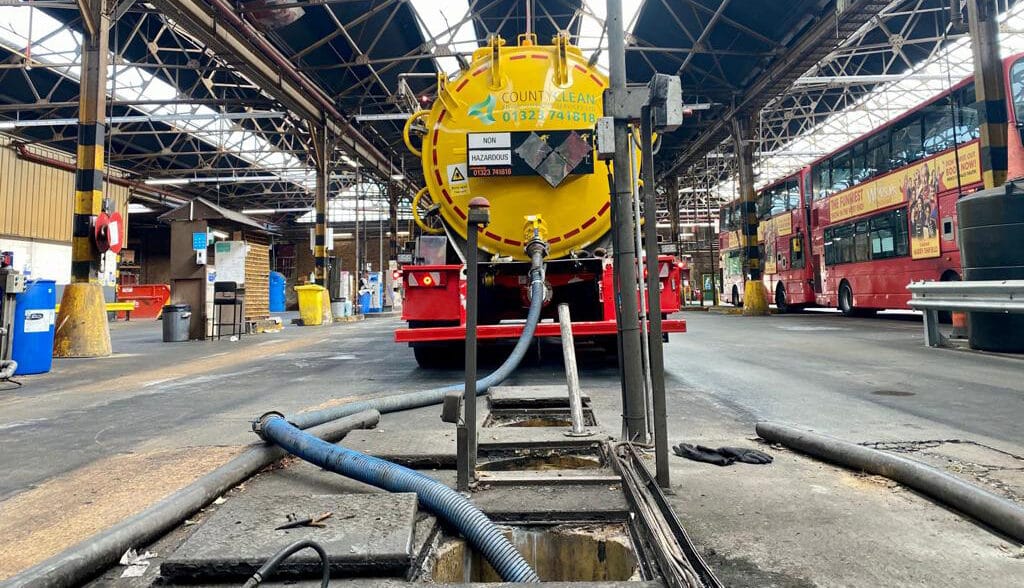
CountyClean provides expert liquid waste collection, treatment and disposal services, helping businesses meet all the Environment Agency requirements and maintain safe and compliant operations. Learn more about our liquid waste services here.
8. Electronic Waste (WEEE)
Disposing of waste electrical and electronic equipment (WEEE) can be challenging if you’re unsure of the legal responsibilities. The WEEE Directive requires a wide range of electrical items, such as fridges, IT and telecommunications equipment, lighting, and monitoring or control instruments to be diverted from landfill. Sending any commercial WEEE to landfill is illegal as many electronics often contain hazardous materials such as mercury, lead or refrigerants.
Businesses must use licensed waste carriers to ensure electrical items are securely recycled, reused or recovered in the most environmentally responsible way.
Legal Responsibilities for Businesses
Under UK law, businesses must:
- Reduce, reuse and recycle where they can
- Separate the waste correctly
- Store waste safely and securely
- Use licensed waste carriers
- Keep waste transfer notes for at least two years
- Ensure all hazardous waste is handled correctly to the law
How CountyClean Can Help
CountyClean delivers comprehensive commercial waste solutions for businesses across all sectors. We provide:
- Fast and reliable collections tailored to your schedule
- Fully Licensed hazardous and liquid waste services
- 24/7 emergency response for urgent situations
- Interceptor and tank cleaning to keep your systems operating safely and efficiently
- Compliance support and documentation to help you meet all the legal requirements
- Sustainable disposal methods where possible to reduce the environmental impact